

THE ONE-MINUTE ANSWER
A condensation-based atmospheric water generator passes air over a surface that is colder than that air’s dew point. Some of the water vapour turns into droplets, which are collected and undergo the treatment required for their intended use. The system needs electricity, and its output depends on temperature, humidity and equipment design.
Collecting condensate and supplying drinking water are two different stages. To understand the machine, follow three separate paths: air, refrigerant and water.
EXPLORE THE GUIDE
- Where the water comes from
- The process, step by step
- The refrigeration circuit
- Temperature, humidity and output
- Treatment and drinking-water quality
- Energy use and cost per litre
- Installation and maintenance
- Other technologies and alternatives
- Models for homes, businesses and desert projects
- How to evaluate a generator
- Frequently asked questions
Where does the water come from without an inlet pipe?
Air contains water vapour, an invisible gas. Moisture can be available even when it is not raining and there is no fog. The generator recovers some of the water already present in the surroundings; it does not manufacture water molecules by combining hydrogen and oxygen.
An everyday example makes this easier to picture. When you take a very cold glass into a warm room, droplets appear on the outside. That moisture comes from the air touching the glass. The generator uses the same change of state, but controls the cooling, moves air continuously and directs the condensate into a water-treatment circuit.

The key temperature: the dew point
The dew point is the temperature at which a body of air reaches saturation when cooled at constant pressure without initially changing its water-vapour content. A surface below that temperature can collect condensation. Relative humidity, by contrast, expresses a relationship to saturation at the current temperature: 80% humidity does not mean that 80% of the air is water. The National Weather Service explains this distinction.
This is why humidity percentage alone is not enough to predict output. A site assessment needs at least temperature and humidity together, including how they vary throughout the day and over the year.
How it works, step by step
The following sequence describes a mechanical-refrigeration system. Pump locations, tanks and treatment stages may vary between models. The EPA technical brief on atmospheric water generation describes this equipment family and its dependence on environmental conditions.

1. Draw in and move the air
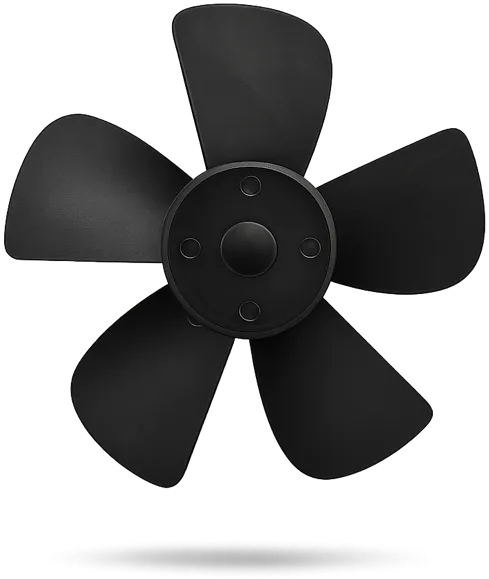
A fan moves air through the unit. Its airflow determines how much air crosses the heat exchanger, but simply increasing airflow does not guarantee more water: that air must also be cooled sufficiently. Filter resistance, dirt and recirculation of discharged air can change the operating conditions.
2. Filter before heat exchange
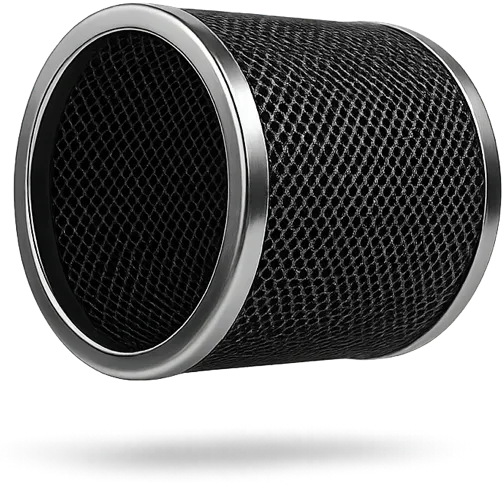
Inlet filtration helps capture particles and protect components. Its effectiveness depends on the filter and its condition. Filtering air does not remove every gas, nor does it automatically make the water subsequently collected safe to drink.
3. Cool below the dew point
The air comes into contact with a cold coil. As the layer of air next to the surface cools, some of its vapour becomes liquid. In a direct-expansion system, that coil is the evaporator in the refrigeration circuit. Its name describes what the refrigerant does inside the tubes, not what happens to the water vapour outside them.
4. Collect the droplets
Water forming on the surface drains into a tray and is directed into the water circuit. Drainage, materials in contact with the water and access for cleaning are all part of the design. Producing droplets is only the beginning: the water must then be protected from sources of contamination.
5. Treat the condensate
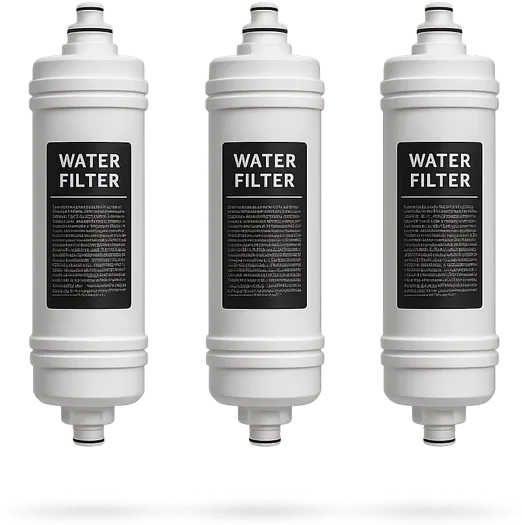
Depending on the equipment, treatment may combine particle filtration, activated carbon, membranes and disinfection. Each barrier has a specific function. The sequence should address the identified risks and intended use, with documented performance for the system as a whole.
6. Adjust the water’s characteristics
Some configurations include remineralisation to adjust the mineral composition and taste. This adjustment does not replace disinfection. Nor does it, on its own, make water of unknown quality safe to drink.
7. Store and distribute
The tank allows relatively continuous production to serve demand that occurs at different times. It must be designed and maintained as part of the water system. A unit may dispense directly or feed a compatible installation; pressure, storage and protection requirements depend on the project.
8. Monitor operation and stop when necessary
The electronics coordinate the compressor, fans, pumps and water levels. They may include alarms for temperature, maintenance or treatment failures. A display showing humidity or conductivity provides information about particular parameters; it does not, by itself, demonstrate the absence of microorganisms or contaminants.
The refrigeration circuit: why condensation can occur on an evaporator
The machine uses a refrigerant to transport heat. Water recovered from the air and the refrigerant follow different paths. They do not mix during normal operation.

| Component | What happens to the refrigerant | Purpose |
|---|---|---|
| Compressor | The vapour increases in pressure and temperature. | Drives the cycle using electrical work. |
| Condenser | Releases heat and changes mainly from vapour to liquid. | Transfers heat to the surroundings or a heat-recovery circuit. |
| Expansion device | Its pressure drops, producing a cold mixture of liquid and vapour. | Prepares the refrigerant to absorb heat. |
| Evaporator | Absorbs heat and the liquid evaporates. | Keeps the surface cold enough to condense water from the air. |
This describes the basic vapour-compression cycle, explained by the US Department of Energy in its heat-pump materials. Individual units add controls and components to suit their architecture.
Where does the heat go?
It must leave the system. The hot coil rejects the heat extracted plus the work supplied to the cycle. Compact configurations that discharge into the same room can warm the surrounding space during operation. The exact air path and heat recovery depend on the design. ASHRAE describes these mechanical-dehumidification arrangements.
Cooling air and condensing its vapour require heat removal. This is why counting visible droplets is not enough to judge efficiency: heat exchange, ventilation and refrigeration-circuit conditions also matter.
How much water is in the air, and how much can a generator recover?
The first figure describes the available resource; the second describes a machine’s performance. They are not interchangeable. Discharged air retains moisture, and an installation has limits on airflow, cooling capacity and operation.
The same 80% humidity can represent very different amounts of water
| Temperature | Relative humidity | Approximate vapour content | Dew point |
|---|---|---|---|
| 30 °C | 80 % | 24.28 g/m³ | 26.17 °C |
| 30 °C | 40 % | 12.14 g/m³ | 14.95 °C |
| 20 °C | 80 % | 13.82 g/m³ | 16.45 °C |
| 10 °C | 80 % | 7.51 g/m³ | 6.71 °C |
Our approximate calculation uses the Magnus relationship and the ideal-gas law for water vapour. This is not a Teexmicron output table. Temperatures are in °C and vapour pressure is in hPa; the methodology is explained below.
At 30 °C and 80% relative humidity, each cubic metre contains approximately 3.2 times as much vapour as it does at 10 °C and 80%. This does not mean a machine will produce exactly 3.2 times as much water: thermal conditions and cycle efficiency also change.
A water balance, explained with numbers
To assess a unit, you can use the mass of dry air passing through the system and the difference in its humidity ratio before and after cooling:
Condensed water ≈ mass of dry air × (inlet humidity ratio − outlet humidity ratio)
Hypothetical example: if 100 kg of dry air passes through per hour and its water content falls from 20 to 10 grams per kg of dry air, the balance gives 1,000 grams of water per hour, or approximately one litre. These conditions are calculation assumptions, not product specifications.
Turning that balance into a daily forecast requires accounting for useful operating hours, start-ups, defrosting where applicable, full-tank stops and treatment losses. Fan airflow in m³/h must also be converted to mass using the appropriate density. Multiplying absolute humidity by airflow and assuming that all the vapour is captured overestimates output.
Rated output and output at your location
A litres-per-day figure needs its test conditions. Ask for the temperature–humidity pair, operating hours and whether the volume is measured before or after treatment. The operating range indicates where the equipment can run; it does not mean that rated output is maintained throughout that range.
For an annual forecast, representative hourly climate records and model-specific performance curves are preferable. An annual average can conceal months of low output. Nights can have higher relative humidity while also being colder: choosing an operating schedule requires comparing both variables and energy use.
Calculation method
The calculation uses eₛ = 6.112 × exp[17.67T/(T + 243.5)] and e = (RH/100) × eₛ, in hPa. Vapour density is ρᵥ = 216.7e/(T + 273.15), in g/m³. With γ = ln(RH/100) + 17.67T/(T + 243.5), the dew point is Tᵣ = 243.5γ/(17.67 − γ). These are approximations over liquid water, not an equipment simulator. Reference for the vapour-pressure and dew-point relationships: NWS.
Is condensed water already safe to drink?
That should not be assumed. Air composition, contact surfaces and storage can affect the water. In its technical evaluation of an atmospheric water generator, the EPA notes that certain volatile organic compounds can enter the condensate and support microbial growth. That evaluation does not certify other models or installations.
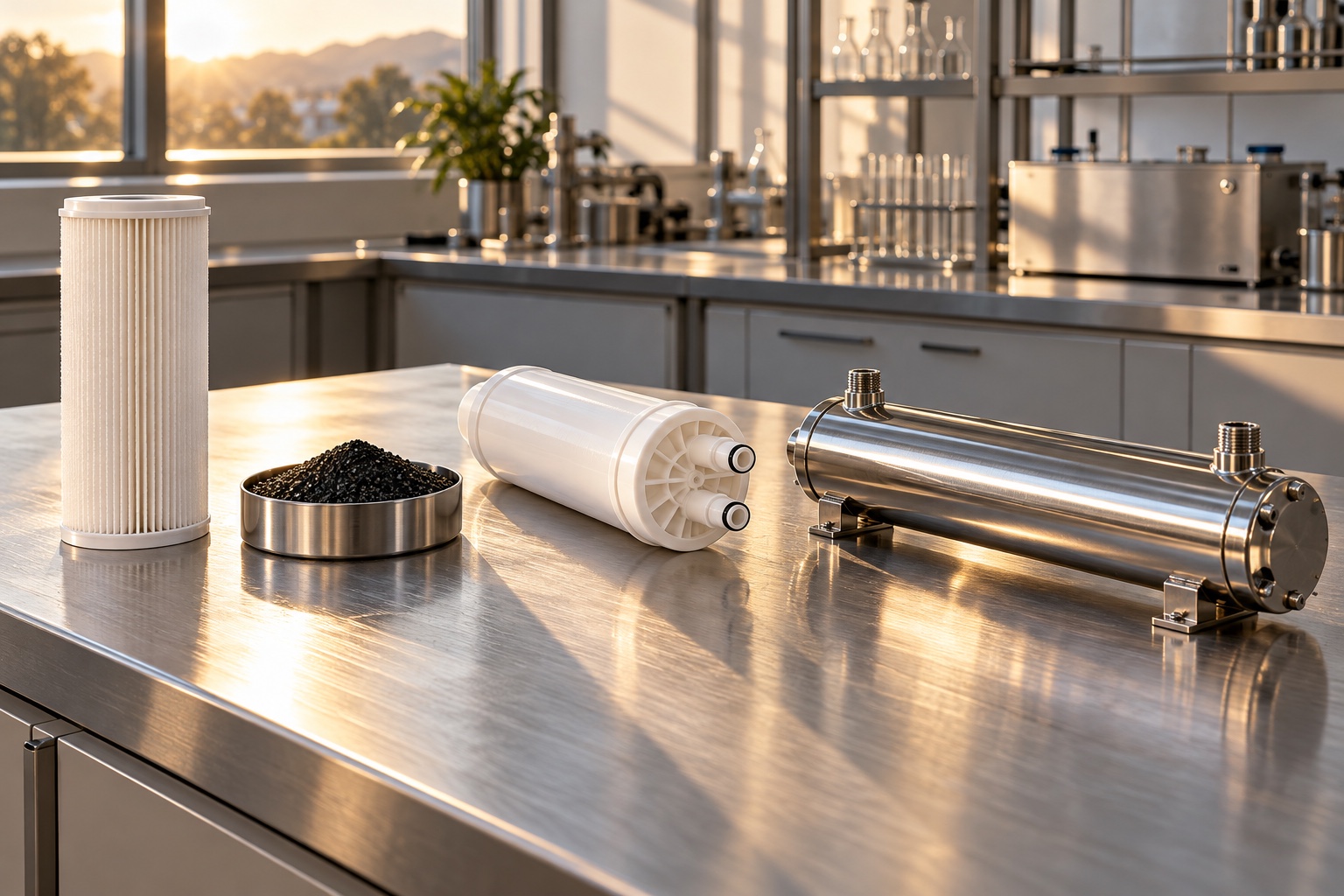
What each barrier does—and what should not be assumed
| Possible stage | Function | Limitation to check |
|---|---|---|
| Sediment filter | Captures particles according to size and filter rating. | Does not remove dissolved contaminants on its own. |
| Activated carbon | Adsorbs certain compounds and may improve taste and odour. | Does not guarantee universal disinfection; capacity is finite. |
| Ultrafiltration | Acts as a physical barrier according to the membrane’s properties. | Retention depends on pore size, integrity and verified performance. |
| Reverse osmosis | Reduces many dissolved substances using a membrane and pressure. | Requires suitable operating conditions and management of any reject stream. |
| UV | Inactivates microorganisms under defined dose and exposure conditions. | Does not remove salts or provide a downstream disinfectant residual. |
| Remineralisation | Adjusts mineral composition and water characteristics. | Does not replace contaminant removal or inactivation. |
The CDC explains that filtration technologies have different capabilities. For disinfection, the WHO guidelines describe the influence of water and process conditions. For example, turbidity can impair UV treatment. Barrier selection and sequencing must be validated for each design.

What a sensor cannot demonstrate
Temperature, conductivity, turbidity and level are useful variables. However, a low conductivity reading does not demonstrate the absence of bacteria, and a pleasant taste does not rule out unwanted substances. Evaluation combines design, operation, maintenance and relevant testing. A lit lamp should not be interpreted as sufficient evidence that the required disinfection dose has been delivered.
When reviewing documentation, identify what was tested, which model it concerns, when the sample was taken and where it was collected. A test on one component is not automatically equivalent to testing the water dispensed by the complete system.
How much electricity it uses and how to calculate cost per litre
Power and energy answer different questions. kW expresses power; kWh measures energy over a period. Specific energy consumption in kWh/l relates that energy to the water obtained. The EIA explains these units.
To compare machines, measure energy and water over the same interval and under known conditions. Include the compressor, fans and any auxiliaries within the supply system being assessed. If the water is chilled for drinking or pumped to another tank, state whether those energy demands are included.
Specific energy consumption
kWh over the period ÷ net litres over the period
Electricity cost per litre
kWh/l × electricity price in €/kWh
A worked example, without turning it into a promise
Suppose an installation uses 15 kWh to deliver 50 net litres in one day. Its specific energy consumption is 0.30 kWh/l. With electricity priced at 0.20 €/kWh, the electricity component costs 0.06 €/l.
If another period used the same 15 kWh but yielded only 25 litres, the result would be 0.60 kWh/l and 0.12 €/l. Holding energy constant here illustrates the mathematical effect; a real machine may also change its energy use as environmental conditions change.
Total cost includes other items
To assess the complete project, add equipment and installation costs spread over an explicit time horizon, maintenance, consumables, energy and auxiliaries. Divide by the expected usable litres over that same horizon. A formal financial assessment should also include financing, replacements and the time value of money.
Do not confuse litres condensed, treated, stored and consumed. Purging, reject water from certain membranes and water used for cleaning can create differences. An outlet meter does not always measure production either: some water may have been generated and stored before the observation period.
Can it run on solar panels?
A compatible photovoltaic supply can be assessed. Daily energy, instantaneous power, compressor start-up and operating schedules need to be coordinated. Having panels does not guarantee night-time operation: a strategy is needed for electrical storage, backup supply or storing water produced during available operating hours.
Stored water can meet part of the demand while the equipment is stopped, provided its quality is maintained. Solar electricity also involves investment and maintenance. Therefore, “runs on solar power” and “the water costs nothing” are different claims.
Installation, maintenance and operating signs
Before installation, check the ventilation clearances specified by the manufacturer, the power supply, incoming-air conditions and where the water will be used. Avoid continuously recirculating discharged air back to the inlet unless the design allows for it. An enclosed room does not retain the same reserve of water vapour indefinitely: extracting moisture can change the conditions within the room itself.
The air intake needs attention near exhausts, heavy dust or process emissions. Filters have a defined scope and do not replace a site assessment. Outdoors, equipment protection and the environmental conditions specified in its documentation also matter.
| Item | What to check according to the manual | What may indicate a problem |
|---|---|---|
| Air inlet and filters | Cleaning, replacement and obstructions. | Reduced airflow or falling output. |
| Heat exchangers and drainage | Surface condition and condensate drainage. | Accumulated dirt, ice or standing water. |
| Treatment | Service life, operating conditions and alarms. | Service alerts or parameters outside their limits. |
| Tank and dispensing | Cleaning, water turnover and circuit condition. | Abnormal changes or failed quality checks. |
Maintenance intervals should come from the manual and operating conditions, not a generic schedule applied to every machine. If a quality alarm occurs or the water changes, follow the equipment’s procedure before continuing to supply it for drinking. After an extended shutdown, follow the manufacturer’s cleaning and recommissioning procedure. Refrigeration and electrical maintenance must be performed by competent personnel.
What can reduce output?
Less favourable temperature or humidity, blocked filters, insufficient airflow, air recirculation, dirt, defrost cycles or a full-tank shutdown. If the coil operates below 0 °C, ice can accumulate; defrost cycles can reduce productive operating time. A drop in output does not, on its own, prove a fault: first compare measured conditions and operating status with the equipment’s performance curve.
Do all air-to-water generators work in the same way?
No. Vapour-compression refrigeration is an important family, but other forms of atmospheric water harvesting exist. The Department of Energy guide to alternative water sources distinguishes several approaches. In sorption systems, a material captures vapour and is then regenerated to release and recover it. The Nature Reviews Materials review of sorbent-based harvesting examines the transition from materials to devices.
| Technology | How it collects water | What determines its suitability |
|---|---|---|
| Active condensation | Cools a surface using an energy input. | Climate, energy and thermal design. |
| Sorption | Captures vapour in a material and releases it in another stage. | Material, regeneration, cycles and the complete system. |
| Fog harvesting | Intercepts tiny droplets already suspended in the air. | Suitable fog and wind conditions. |
| Passive dew condensation | A surface loses heat and reaches condensation conditions. | Thermal balance, climate and available surface area. |
A laboratory result per kilogram of sorbent cannot be compared directly with a commercial machine’s litres per day. Comparison requires system boundaries, test duration, climate and all energy inputs, including regeneration heat where applicable.
Atmospheric generators, dehumidifiers and domestic reverse osmosis
A dehumidifier may share the condensation principle, but its purpose is to reduce humidity. Its condensate should not be considered safe to drink without a system designed and validated for that use. A generator intended to supply drinking water must also provide hygienic collection, treatment and quality preservation.
A domestic reverse-osmosis unit needs an incoming water supply: it treats water that is already available. An atmospheric generator recovers water from the air and may incorporate membranes as part of its treatment. They solve different problems, even if they share some components.
Is it always the most sustainable alternative?
The assessment depends on the supply being replaced. Compare energy, manufacturing, consumables, avoided transport and genuinely usable litres. If the grid electricity factor were 0.20 kg CO₂e/kWh and consumption were 0.30 kWh/l, the electricity contribution would be 0.06 kg CO₂e/l. This is an arithmetic example: it is neither a model’s total footprint nor an accredited reduction.
Local generation may reduce certain transport needs, but that benefit should be assessed alongside the rest of the life cycle. For high-demand uses, it is also worth comparing mains supply, authorised abstraction, rainwater, reuse or delivery, according to the site’s available options.
From homes to industrial installations: which type of machine do you need?
The condensation principle can be applied at very different scales. A kitchen needs a compact unit and a defined drinking-water demand; an industrial installation requires an assessment of output, energy, storage and distribution. The equipment’s size and intended setting should be appropriate for one another.
At home: TEEX H20L and TEEX H20-lux
Teexmicron offers specific models for domestic use, including the TEEX H20L and TEEX H20-lux. The former is intended for domestic spaces and offices; the latter offers a compact countertop format for kitchens and small workspaces.
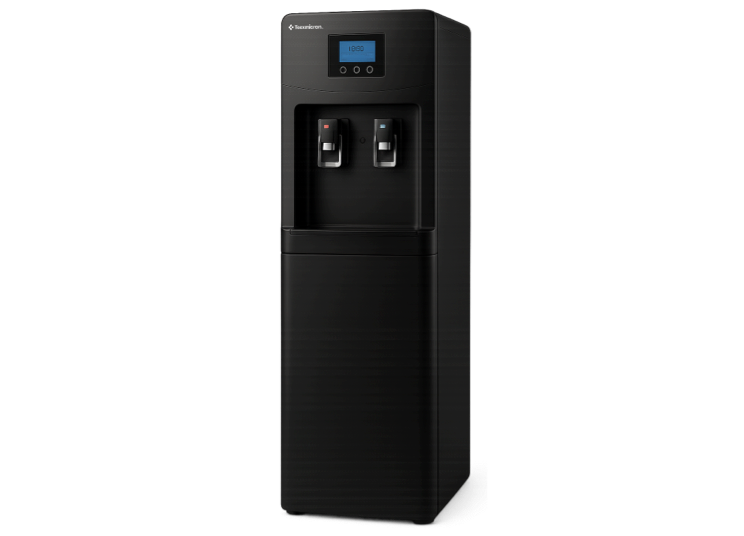
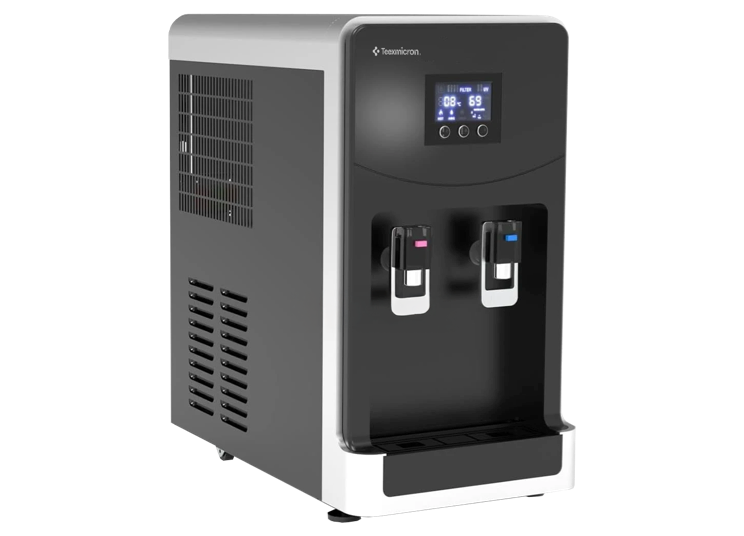
To choose between them, check the litres needed for drinking and cooking, available space and ventilation, noise and indoor conditions. A household’s total demand—showers, washing machines, cleaning or gardening—is different from its drinking-water consumption. A compact unit should not be assumed to supply the whole house simply because it is installed there.
For offices and businesses: TEEX H80 and MICRON K100
The TEEX H80 is intended for offices and small businesses. The MICRON K100 is another catalogue option for commercial premises and workplaces. Selection should account for how many people use the dispensing point and how demand is distributed throughout the working day.
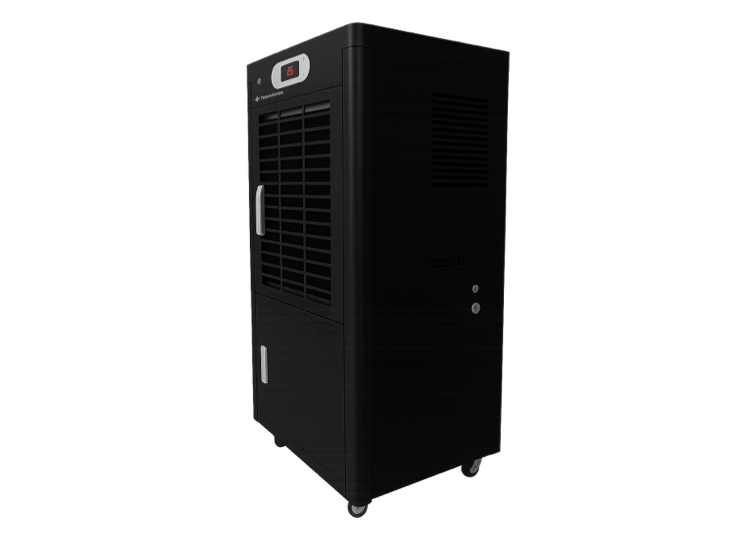
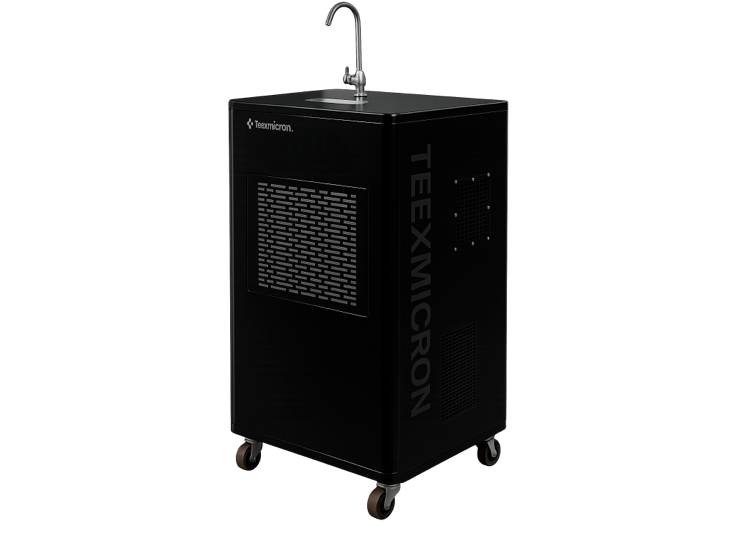
In a business, daily production and dispensing flow rate are different considerations. A tank can meet a peak in demand while the machine generates water gradually. Sizing should include storage capacity, water turnover and the ability to serve the busiest periods.
For industry and large installations: Micron Black 5000
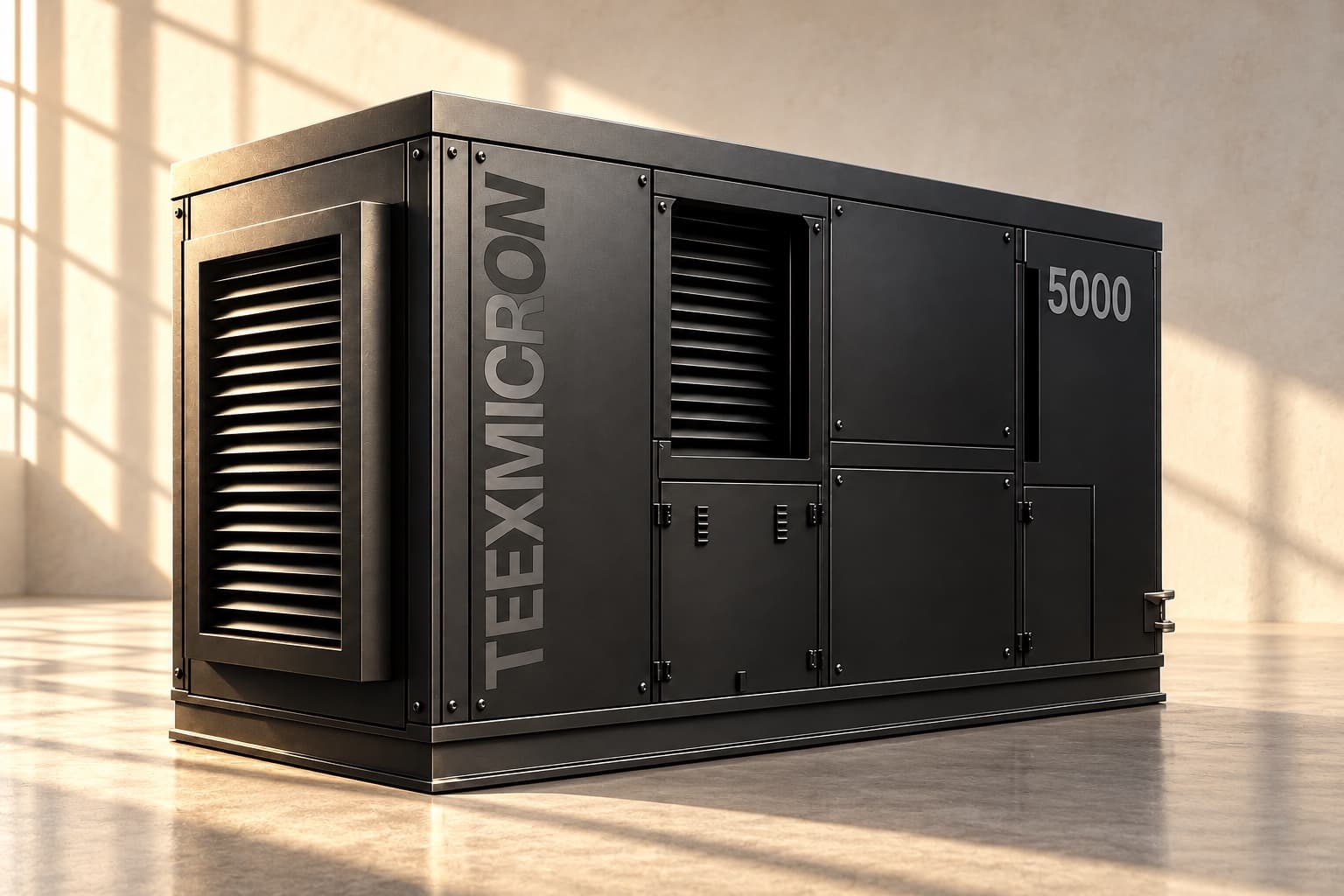
The Micron Black 5000 is an industrial solution, not a domestic appliance. It is presented for projects with engineering, energy and water-management needs on a different scale. To compare available industrial options, consult the Teexmicron catalogue and the specifications for the TEEX H5000 and MICRON KM5000. These are distinct catalogue names: their performance must be checked separately.
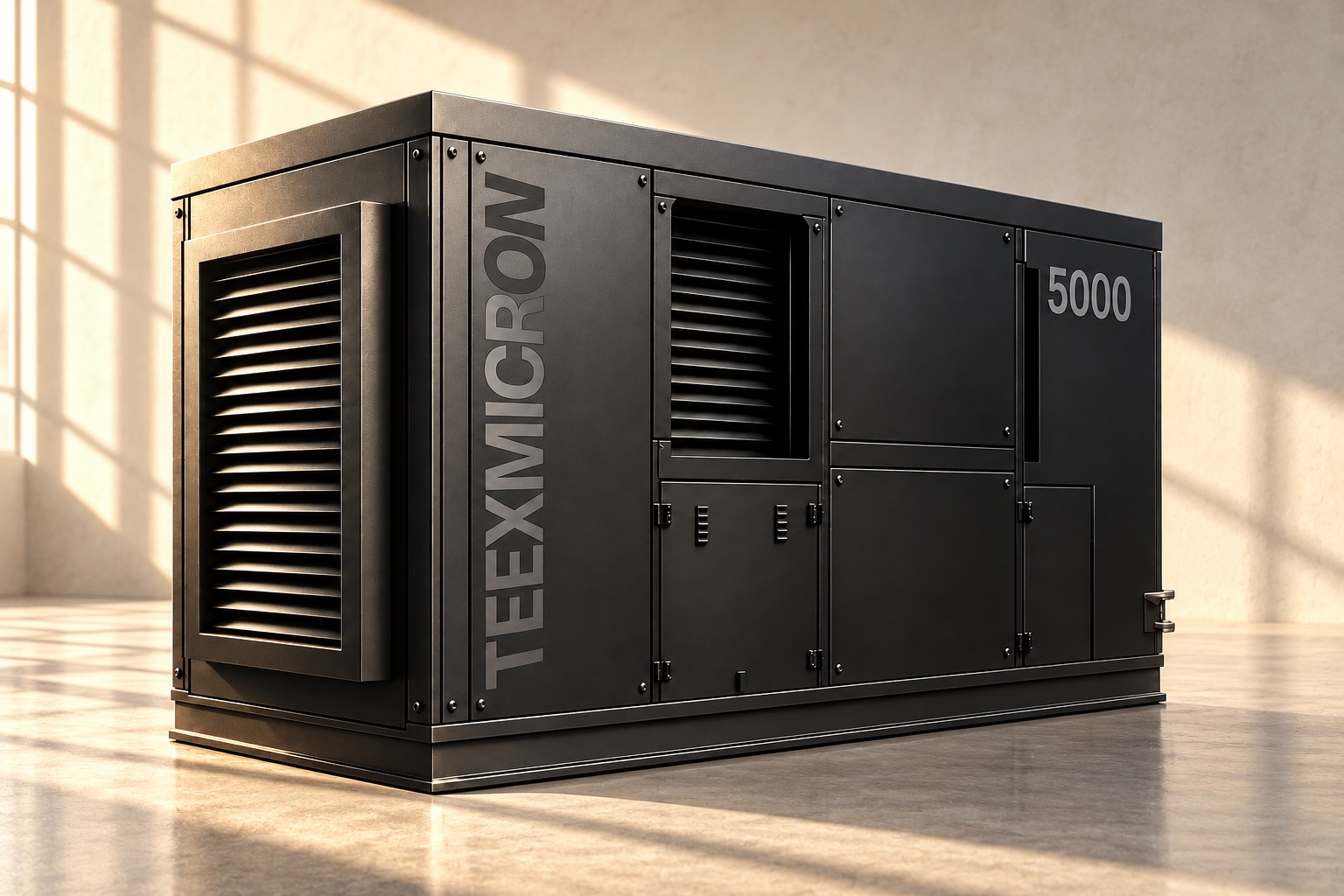
At this scale, the project may include tanks, pumping, additional treatment and a dedicated power supply. Teexmicron engineering can help establish the requirements of the complete system before a configuration is selected.
What about the desert? What to check before claiming autonomy
“Desert” describes a setting, not a single temperature and humidity condition. An arid coastal area, a continental interior and a high-altitude camp may offer very different conditions. Condensation-based atmospheric water generation requires sufficient available vapour and equipment capable of operating in that environment with acceptable energy use.
To assess a camp, remote base or off-grid installation, start with the site’s hourly climate data. Then compare those data with the model’s performance curves, available energy and essential water demand. A night-time schedule with higher relative humidity does not automatically guarantee more water: temperature changes too.
- Climate: temperature and humidity during unfavourable months, rather than on a single favourable day.
- Dust and heat: filtration, cleaning, ventilation and equipment protection suited to the site.
- Energy: solar generation or another supply sized for the power demand and operating hours.
- Water reserve: hygienic storage and backup for periods of insufficient production.
- Model: documented performance under the expected conditions, without transferring rated figures from a different climate.
Research into sorbent-based harvesting also explores alternatives for dry air; the Nature Reviews Materials review explains this technology family. Its findings should not be attributed to a condensation-based Teexmicron unit. For a remote project, request a feasibility assessment and review energy-supply and storage options.
Water and health: quality at the point of consumption is what matters
The World Health Organization links access to safe water with protecting health. That principle applies regardless of the source: mains water, well water, bottled water or water recovered from the air. For an atmospheric generator, the relevant question is whether the dispensed water meets applicable requirements and maintains that quality during use.
The CDC explains how the source, treatment and distribution affect water quality. A proposal should therefore consider the whole path, from collection to the tap, rather than merely listing filters.
When evaluating a domestic model such as the TEEX H20L or TEEX H20-lux, request its treatment, maintenance and water-analysis documentation. In shared installations, apply the same assessment to the complete system, including storage tanks and distribution.
Remineralisation does not demonstrate special medical benefits, and an atmospheric source does not make water a treatment for disease. The WHO drinking-water quality guidelines provide a technical reference framework; linking to them does not mean that WHO certifies any of the brand’s equipment.
What to request before choosing an atmospheric water generator
A useful proposal connects the machine to your demand. Start with the intended water use, the litres required and when they will be consumed. Then check these seven points:
- Production curves: temperature and humidity at each point, with the test method.
- Specific energy consumption: energy and net litres measured under equivalent conditions.
- Documented treatment: functions, maintenance and model-specific tests.
- Storage: capacity, shutdown management and water-quality preservation.
- Installation: ventilation, power supply, noise and environmental conditions.
- Service: consumable availability, support and warranty terms.
- Unfavourable scenario: expected output in critical months and the backup required.
Teexmicron presents condensation-based generation solutions and treatment configurations in its technology section. Applicable performance and treatment stages must be confirmed in the selected model’s specifications and documentation.
How much water do you need, and where?
Provide the location, intended use, daily litres and available energy. With those details, you can request an assessment of the solution and your installation requirements.
Discuss my project with TeexmicronExplore equipmentFrequently asked questions about atmospheric water generators
Do they need rain to work?
Not systems that condense water vapour. They need moisture available in the air and conditions compatible with the equipment. Rain is not an input requirement.
Can they work in dry locations?
It depends on the technology and model. A declared humidity limit does not, on its own, reveal the litres produced or energy consumed at that limit. Request performance data under the project’s expected conditions.
How many litres do they produce per day?
As many as the unit can produce under the actual conditions and operating hours. Rated capacity needs a temperature, humidity and test method to be interpreted meaningfully.
Can they produce water at night?
Yes, if power is available and they operate within their specified conditions. Assessing whether night-time production is worthwhile requires considering temperature, humidity, electricity tariff and storage together.
Does the discharged air contain no moisture?
No. In these units, discharged air retains some water vapour. Its relative humidity also depends on its temperature, so that figure should not be interpreted in isolation.
Can you drink water from a dehumidifier?
It should not be assumed to be safe to drink. Recovering moisture is not the same as having suitable materials, treatment, preservation and controls for human consumption.
Does UV light remove every contaminant?
No. Its function is microbiological inactivation under validated conditions; it does not remove dissolved salts or replace every other treatment barrier.
Does the litres-per-day figure indicate the flow from the tap?
No. Production describes how much water the unit generates over a period. Dispensing flow also depends on the pump, pipework and water held in the tank.
Is the equipment completely autonomous?
It can be independent of an incoming water supply, but it needs energy, maintenance and suitable environmental conditions. Supply autonomy requires an assessment of production, storage tanks and potential backup arrangements.
Can it supply a whole house or irrigate a farm?
The complete demand must be compared with expected output and cost. Drinking and cooking, showers, cleaning and irrigation have different requirements. Choosing solely by the rated litres-per-day figure is not enough.
A short glossary for reading technical specifications
- Relative humidity · %
- Ratio of the actual vapour pressure to the saturation vapour pressure at that temperature.
- Absolute humidity · g/m³
- Mass of water vapour per volume of moist air.
- Humidity ratio · g/kg of dry air
- Mass of vapour per mass of dry air, useful for mass balances.
- Dew point · °C
- Saturation temperature corresponding to the vapour present.
- Power · kW
- Rate of energy transfer or consumption.
- Energy · kWh
- Energy accumulated over an interval.
- Specific energy consumption · kWh/l
- Energy per litre, with defined measurement boundaries.
Sources and scope of this guide
The linked sources explain physical and treatment principles. They do not certify the performance or water quality of a Teexmicron model. Climate tables and examples are educational calculations; a supply forecast requires equipment and site data.
- EPA — Atmospheric Water Generation Technology.
- NWS — Dew Point vs Humidity and calculation relationships.
- ASHRAE — Mechanical Dehumidifiers and Related Components.
- DOE — Heat Pump Basics.
- CDC — Choosing Home Water Filters.
- WHO — Treatment Methods and Performance.
- EIA — Measuring Electricity.
- DOE — Alternative Water Sources.
- Nature Reviews Materials — Sorption-based atmospheric water harvesting.